RV Roof Leaks in Florida? Here’s How We Repair and Prevent Them
RV Roof Leaks in Florida? Here’s How We Repair and Prevent Them
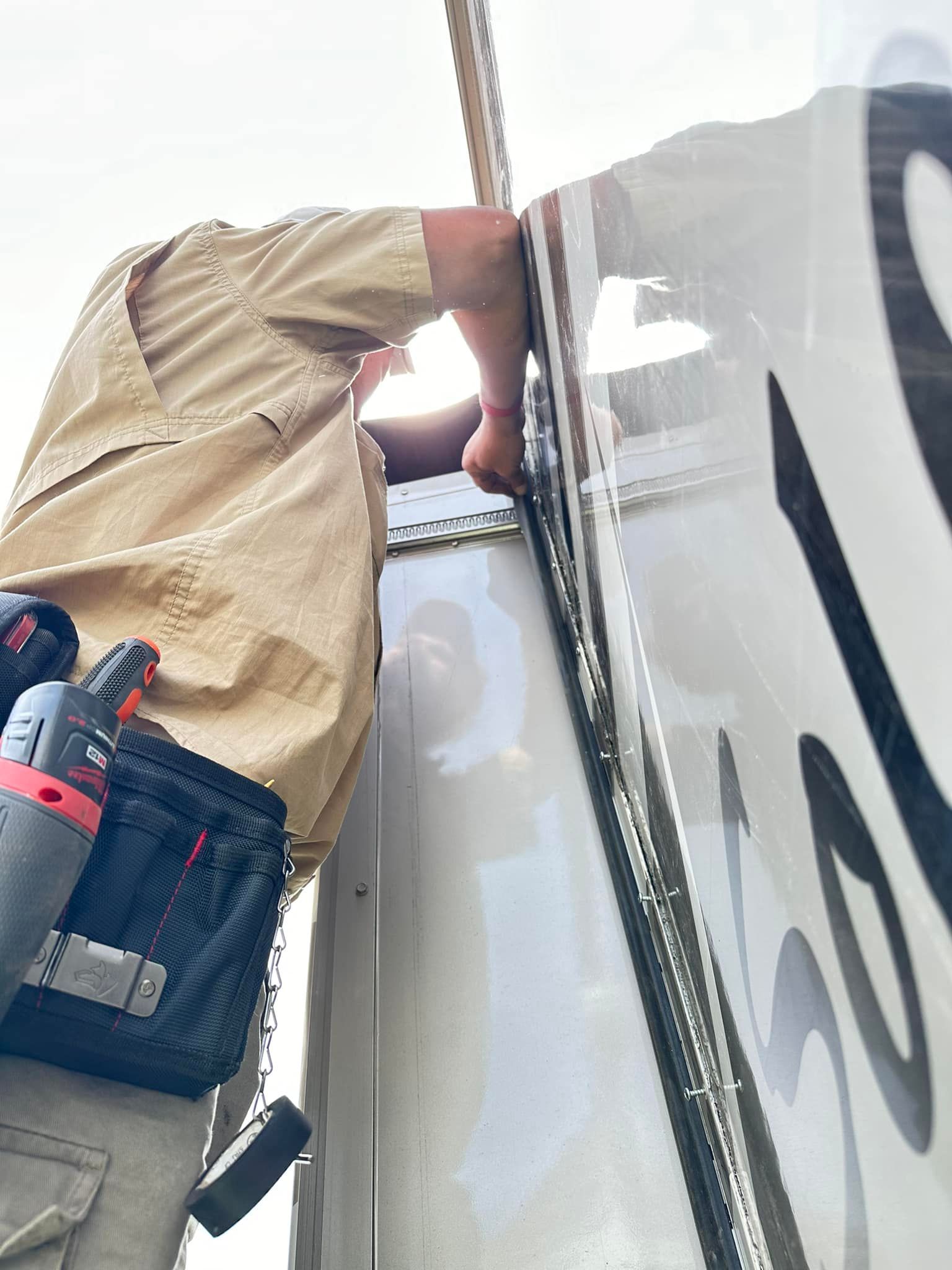
Florida weather is beautiful—but it’s brutal on RV roofs. Sun exposure, humidity, and surprise storms can all lead to costly water damage if your RV roof isn’t in top shape. At Patriot 360, we handle RV roof leak repairs across Crestview, FL, and surrounding areas every week, and we know what it takes to stop the damage fast.
In this post, we’ll walk you through:
- How roof leaks happen
- What signs to look for
- How we professionally repair and reseal RV roofs
- What you can do to prevent future leaks
If you suspect even the smallest leak, don’t wait. Florida’s humidity will turn it into a major issue fast.
Why Are RV Roof Leaks So Common in Florida?
Florida is a tough environment for RV roofing materials, whether you have a rubber (EPDM), TPO, fiberglass, or aluminum roof. Here’s why roof leaks are so frequent:
- UV rays break down sealants over time
- Heavy rains quickly expose cracks or pinholes
- High humidity promotes mold and rot
- Falling branches from storms cause punctures
- Improper storage without a cover leads to standing water
Without regular inspection and maintenance, even a small crack around a vent or seam can let water seep in for weeks before you notice.
Signs Your RV Roof Is Leaking
Many RV owners don’t realize there’s a roof problem until damage appears inside. Here's what to look for:
- Brown ceiling stains or soft spots inside
- Peeling wallpaper or bubbling walls
- Mildew smell inside your RV
- Visible cracks or gaps around roof vents or edges
- Sagging ceiling panels
- Delamination on the RV exterior walls
If you're seeing any of these symptoms in your RV—especially after rain—it’s time to call a professional.
Our RV Roof Leak Repair Process
At Patriot 360, our roof repair services are fully mobile—we come to your RV wherever you are in Crestview, whether parked at home, a campground, or a storage facility.
Here’s what our standard RV roof leak repair looks like:
Step 1: Leak Detection
We conduct a thorough visual inspection of the entire roof, seams, and accessories. If needed, we use moisture meters or bubble tests to locate hidden intrusion points.
Step 2: Roof Cleaning
Before applying any repairs, we deep clean the affected roof area using RV-safe cleaning agents. This removes debris, old sealant, and oxidized materials for proper adhesion.
Step 3: Resealing and Patching
Depending on your roof type and damage:
- We re-seal seams and vents using premium-grade RV roof sealants like Dicor or Alpha Systems
- For punctures or tears, we apply patch kits or tape systems designed for EPDM, TPO, or fiberglass roofs
- We may recommend a partial or full roof coating if damage is widespread
Step 4: Interior Dry-Out (if needed)
If water has soaked through to your interior, we can assist with drying and water damage cleanup, including fans and dehumidifiers to reduce mold risk.
Step 5: Preventative Recommendations
After repairs, we’ll give you personalized tips and maintenance guidance to help you avoid future roof problems.
RV Roof Leak Prevention Tips (Florida-Specific)
Preventing roof leaks starts with routine inspection and maintenance. Here’s how to protect your RV in Florida’s extreme climate:
Inspect Every 3–6 Months
Check your roof, especially around:
- Skylights
- Roof-mounted A/C units
- Antennas or satellite domes
- Front and rear seams
- Ladder and rack mounts
Look for cracks, bubbles, gaps, or peeling.
Use a Quality UV-Protective Sealant
Florida sun will degrade basic sealants fast. Ask us about UV-rated sealant upgrades or RV roof coatings for long-term protection.
Store with a Cover or Shade
If you’re storing your RV for more than 30 days, use a breathable RV cover or park under a covered structure. Avoid tarps—they trap moisture.
Schedule a Professional Roof Inspection Yearly
Our annual [RV roof inspections – https://www.patriot360.net/rv-inspections] identify wear long before it turns into a leak.
Types of RV Roof Repairs We Handle
Roof Type
Common Repairs
EPDM Rubber
Seam resealing, patch kits, full recoating
TPO
Welded patches, chemical bonding, sealant refresh
Fiberglass
Crack sealing, epoxy patching, UV gel coat reapplication
Aluminum
Seam reinforcement, rivet replacement, insulation repair
RV Roof Leak Case Study – Crestview, FL
In June 2025, a customer near Old Bethel Road in Crestview called us after noticing a musty smell and stained ceiling panels. We discovered a small roof crack above their kitchen vent that had been leaking during recent storms.
Our process:
- Cleaned and dried affected roof area
- Applied a TPO-compatible patch system
- Re-sealed the full roof perimeter and accessories
- Provided dehumidifier setup and tips for monitoring humidity
The issue was resolved in a single visit, and the customer avoided what could have been a $5,000+ mold remediation job.
FAQs About RV Roof Leaks in Florida
How much does RV roof leak repair cost?
It depends on the extent of damage and your roof type. Minor resealing may cost $200–$400. Larger repairs or coatings can range from $800 to $2,000+. We always offer clear pricing before starting.
Can you repair RV roofs on-site?
Yes. Our mobile RV repair unit can perform full roof diagnostics and repairs at your location—no need to move your RV.
How often should I reseal my RV roof?
We recommend spot resealing every year and full roof resealing every 3–5 years depending on use and climate exposure.
Will insurance cover RV roof leaks?
Sometimes. If the damage was sudden and not caused by neglect, your RV insurance policy may help. We can assist with documentation for claims.
Do you offer full roof replacements?
Not currently. However, we specialize in preventative roof maintenance, resealing, and leak correction, which can extend the life of your roof and prevent full replacement.
Get Fast RV Roof Leak Repair in Crestview, FL
A leaky roof can turn your RV dream into a nightmare—but it doesn’t have to. At Patriot 360, we deliver professional, mobile RV roof leak repairs right to your location. No waiting. No towing. No water damage disasters.